

- A Robinhood text scam is circulating widely, using a phone number instead of a link, since calls feel safer and bypass the suspicion most people now have toward clicking links in texts.
- Calling the number does not reach Robinhood. It connects to scammers who push for account details, one-time codes, or fund transfers under the pretense of securing your account.
- Receiving the text does not mean your account was compromised. Numbers are pulled from old data breaches and sent in bulk, regardless of whether the recipient even uses Robinhood.
- Text scam losses hit $470 million in 2024, more than five times the 2020 figure, and the share of reports resulting in financial loss has been rising steadily each year.
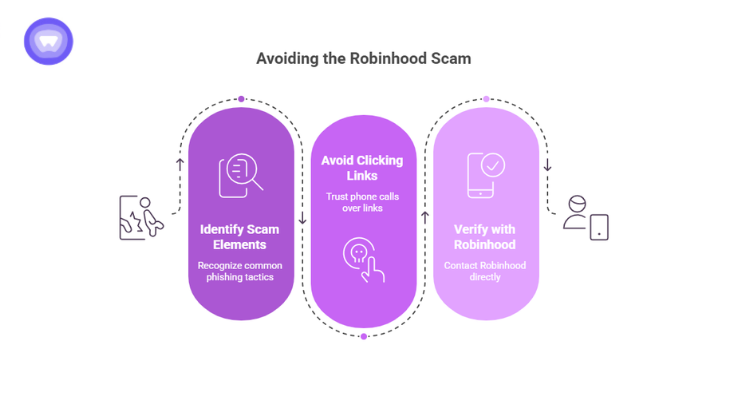
- The safest response is to never call or click. Verify account activity only through the official Robinhood app or by manually typing robinhood.com into a browser.
If your fintech users receive a text claiming to be a security alert from your brand but directing them to call a stranger, that is not just a consumer problem. It is a brand-impersonation attack hitting your reputation and customer trust.
The Robinhood text scam demonstrates how SMS spoofing works at scale. Scammers send bulk texts to phone numbers harvested from old data breaches, impersonating a trusted brand. Users see a familiar name and a sense of urgency. They call a number or click a link. Their account access, payment methods, or session tokens end up in a scammer’s hands.
For fintech operators, this campaign is essential reading. It shows how social engineering tactics keep evolving past link-based phishing and how brand names themselves become weaponized. This breakdown covers how the scam works, why customers fall for it, and what fintech platforms need to lock down in their infrastructure to reduce the blast radius when spoofing campaigns target their brand.
What the Robinhood Scam Text Actually Says
The message usually opens with a line like “Safety Reminder: If this wasn’t you, please call” followed by a toll-free number. Below that sits a graphic styled to match Robinhood’s branding, often paired with technical details meant to sound credible.
Common elements found in these texts include:
- A claim of a new device login, sometimes naming a specific phone model and city
- A reference to an “API key” or “IP address” tied to the supposed access
- A statement that the message is a mandatory service alert
- A phone number instead of a clickable link
That last detail is deliberate. Most people have learned to distrust links in text messages. Scammers adapted by using a “no-link” strategy, since a phone call feels safer and more human than a website. Once you dial, you reach a person trained to sound calm and authoritative, not a bot or a recording.
Why the Message Feels So Convincing
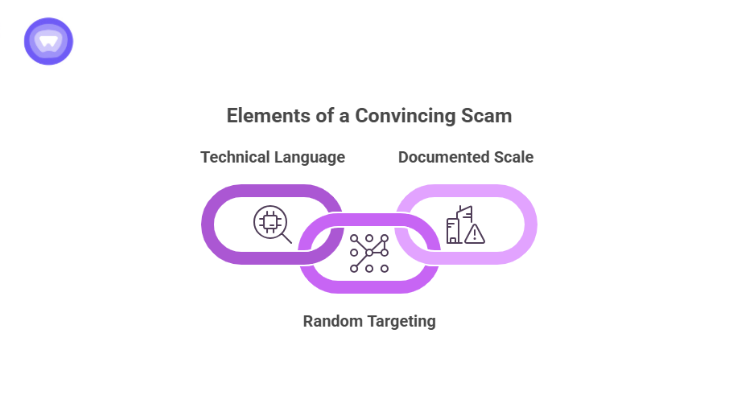
Three design choices make this scam harder to dismiss than a typical phishing attempt.
Technical Language Creates False Authority
Terms like API key and IP address rarely appear in consumer-facing security alerts, but most people do not know that. In reality, Robinhood would almost never include these specific technical details in a standard text alert sent to a retail user. Scammers count on the unfamiliarity working in their favor.
The Targeting Is Random, Not Personal
Receiving the text does not mean your account was compromised. It does not even mean you have a Robinhood account. This Robinhood text scam targets users with realistic security alerts claiming unauthorized API access, but anyone can check their real account status directly through the official app. Phone numbers are pulled from old data breaches and marketing lists, then blasted out in bulk. Scammers running this campaign do not know who actually holds a Robinhood account. They play a numbers game, sending millions of messages at once through automated software.
The Scale Is Documented
This is not an isolated incident reported by a handful of users. A local police department issued a public alert in October 2025 after residents reported receiving these fake Robinhood messages, and online community threads documented multiple reports within just four days, all describing nearly identical texts from different spoofed numbers.
What Happens If You Call the Number
Curiosity or panic is usually what gets people to dial. Once the call connects, the script tends to follow a predictable pattern.
The person on the other end claims there is an active threat to the account. They push for immediate action. They may ask you to confirm account details, read out a one-time passcode, or approve a transfer to “secure” your funds. No legitimate financial company handles account security through an unsolicited phone call. Robinhood itself confirms this directly. The platform does not operate a direct dial support line that connects to a live agent. Any phone number inside an unsolicited Robinhood text is fraudulent by default.
In some versions of the campaign, the scam skips the phone call entirely. It links straight to a cloned login page instead. Victims who follow the link find a reasonably convincing copy of Robinhood’s login page. Entering a username and password there hands scammers full account access. Some fake pages even redirect users back to the real Robinhood site afterward, showing a “verification complete” message. That extra step delays victims from realizing anything went wrong.
Still Active Through 2026
This is not a campaign that surfaced once and faded. Coverage and user reports tracking the same Robinhood text scam format have continued into 2026. Security outlets updated their guidance as recently as this spring to reflect ongoing reports. Smishing as a category has moved well past a seasonal nuisance. FBI Internet Crime Complaint Center data now ranks it among the most reported cybercrime types overall, not just within financial services.
For platforms and brands, persistence matters more than any single wave of reports. A scam template that survives this long usually means the underlying economics work. The cost per text is low. The harvested contact lists are wide. The conversion rate is high enough to justify reusing the same script with minor tweaks to device names, cities, and phone numbers.
How to Verify If Your Account Is Actually at Risk
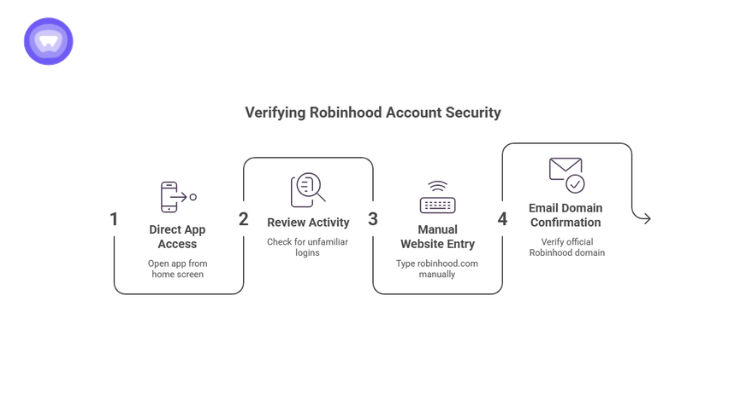
Skip the number in the text completely. Use these steps instead.
- Open the Robinhood app directly from your home screen, never through a link or number in the message.
- Check the security or device activity section inside the app for any unfamiliar logins.
- If using a browser, type robinhood.com manually rather than searching for it, since paid scam listings sometimes outrank the real site in search results.
- Confirm any email communication comes from an official Robinhood domain, not a close variation.
- If nothing unusual appears in your account activity, the text was fake and no action is needed.
The Scale of the Broader Problem
Robinhood-branded texts are one entry in a much larger category of SMS-based fraud that has grown sharply in recent years. In 2024, people reported $470 million in losses to text scams, more than five times the 2020 figure, and since the vast majority of frauds are never reported, this number likely reflects only a fraction of the actual harm.
What stands out in the data is not just the dollar amount but the trend line. The share of text scam reports indicating that money was lost rose steadily, climbing from roughly 5 percent in 2020 to 11 percent in 2024, meaning a growing fraction of these messages now succeed in extracting real money rather than just personal data.
| Year | Reported Text Scam Losses | Share of Reports With Financial Loss |
| 2020 | $86 million | 5% |
| 2022 | $327 million | 6% |
| 2023 | ~$373 million | 9% |
| 2024 | $470 million | 11% |
The pattern across fake fraud alerts, including the Robinhood impersonation campaign, mirrors what regulators have already flagged as a top category of text fraud. Other frequently reported text scams included fake fraud alert messages sent to consumers warning about a suspicious purchase or an issue with their bank account. The Robinhood version simply applies the same playbook to a brand with a large, financially active user base.
Why These Scams Keep Working
Most people assume they would never fall for something this obvious. The reality is more complicated.
The scam exploits a brief window between noticing the message and thinking it through. A notification sound triggers a glance at the phone, and the urgency baked into the wording does the rest. Financial scams in particular tend to succeed because they target a specific emotional trigger: the fear of losing money that is already invested. Once that fear takes hold, people are more likely to act before verifying anything.
There is also a generational pattern worth noting. People age 60 and over tend to lose more money per incident, often because scammers convince them to send large payments or share sensitive banking information. Younger users are not immune either. The technical jargon in these messages is built to read as credible, especially to people who consider themselves tech-savvy. That confidence can lower their guard instead of raising it.
What Fintech Platforms Need to Know
Brand impersonation via SMS is not a user education problem alone. It is an infrastructure problem. When scammers send a bulk text claiming to be your platform, three things happen simultaneously: your customers receive a phishing attempt, your support team gets flooded with false reports, and your brand reputation takes damage even though you sent no message at all.
Fintech platforms have limited control over external spoofing campaigns. Carriers can only do so much to filter bulk messages impersonating known brands. But fintech operators do control the internal infrastructure used to send legitimate security alerts. Tightening that control reduces the likelihood of an attacker compromising your own messaging system and turning it into a delivery mechanism for phishing.
SMS Gateway Access Control
Most SMS spoofing succeeds because the systems that send messages are too open. Public APIs without rate limiting, shared credentials across teams, and unrestricted access to sender IDs all create opportunity for abuse. A breach in one team’s credentials can mean an attacker hijacking your entire messaging pipeline.
Fintech platforms should lock down SMS gateway access behind role-based controls. Only verified security or compliance teams should be able to send account notifications. Every outbound message should be logged, including who initiated it and from which system. Audit trails matter not just for compliance but for catching unauthorized activity before it reaches customers.
Brand-Spoofing Monitoring
External scammers will impersonate your brand. You cannot stop that. But you can monitor for it. Setting up alerts for messages impersonating your brand, your CEO, or your known support phone numbers lets your team respond faster to widespread campaigns.
When a spoofing campaign is active, customer support benefits from a pre-written FAQ addressing it. Customers who call support about a spoofed message will be told “yes, we know about this; it is not from us” rather than left confused about whether the message was real. That clarity protects customer trust even in the middle of an active attack.
Session and Account-Recovery Messaging
The Robinhood scam works because it sounds like an official account-security alert. Fintech platforms should establish clear messaging patterns that users can recognize:
- Real security alerts from your platform include specific details: a device name, an IP address your user actually used, a timestamp.
- Real alerts never ask for confirmation of sensitive details; they ask you to verify through your app or website.
- Real alerts arrive from a consistent, recognizable sender ID or branded SMS line.
Documenting these patterns in your customer-education materials and support FAQs gives users a reference point when they encounter a spoofed message. The contrast between what your platform actually sends and what a scammer sends becomes obvious.
Access Layer Security for Fintech Teams
Fintech operators managing high-value accounts need the same access control for internal operations as they do for customer-facing messaging. If a support agent’s credentials are compromised, or a developer’s API key is exposed, an attacker gains access to sensitive customer data and account recovery flows.
A white-label VPN solution like PureWL lets fintech platforms deploy encrypted access to internal tools and APIs. Support teams, developers, and compliance staff connecting to messaging systems or customer databases do so over a secure, logged connection. In the event of a data breach, audit logs show exactly who accessed what and from where, making it harder for attackers to move laterally after gaining initial access.
The cost of controlling the access layer is significantly lower than the cost of a breach or a brand-reputation hit from an SMS impersonation campaign.
Protecting Yourself Beyond a Single Scam Text
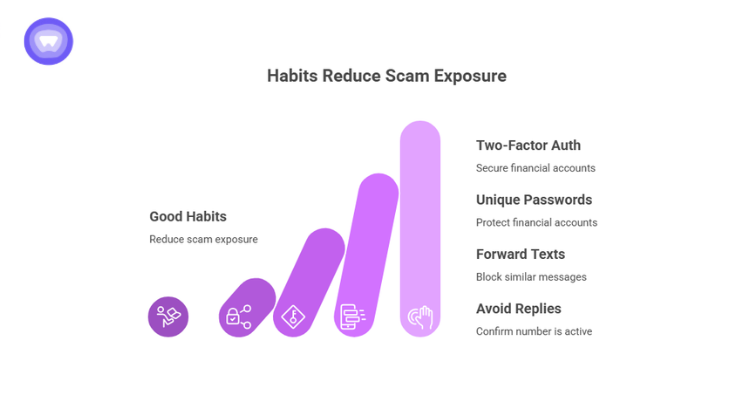
A single phishing attempt is rarely the full picture. Reused passwords, exposed phone numbers, and weak account security all compound the risk once your contact information ends up on a scammer’s list. A few habits reduce exposure significantly:
- Enable two-factor authentication through an authenticator app rather than SMS, since text-based codes can be intercepted through SIM swapping
- Use a unique password for every financial account
- Forward suspicious texts to 7726 so carriers can flag and block similar messages
- Avoid replying to unknown senders in any form, including “STOP,” since a reply confirms the number is active
None of these steps require special technical skill. They simply remove the easy paths scammers rely on.
A Layer of Protection for the Connection Itself
Phishing texts target what you type into a fake page and what credentials scammers can extract. For fintech platforms, a different risk involves securing the infrastructure that sends legitimate messages in the first place.
This is where a white label VPN platform like PureWL becomes a practical addition to a fintech platform’s broader security architecture. PureWL lets fintech operators launch their own branded VPN service on infrastructure already trusted by millions of users. Support teams, developers, and compliance staff get encrypted, private connections to internal tools without needing deep technical know-how. For platforms serving security-conscious users in fintech, a branded VPN solution adds a tangible layer of access control and audit logging. It complements strong account practices and messaging security rather than replacing them.
Securing the access layer, the messaging layer, and the account-recovery layer together significantly reduces the surface area available to SMS spoofing attacks and account takeover attempts.
The Bottom Line
A text asking you to call a number to “secure” your Robinhood account is not a courtesy alert. It is bait. The Robinhood text scam is built to look official enough to bypass a moment of doubt. The safest response stays simple: do not call, do not click. Check your account only through the official app or a manually typed web address. Scammers are betting on speed and fear. A few seconds of pause is usually all it takes to beat them.
For fintech platforms, the lesson is broader. Brand impersonation is inevitable, but the damage is not. Tightening SMS gateway controls, monitoring for spoofing campaigns, and securing the access layer used by internal teams all reduce the likelihood that an attack damages customer trust or your platform’s reputation.
Want to secure your fintech platform’s messaging and access infrastructure?