


Job boards are noisy. Every day, inboxes get flooded with executive placement offers, board roles, and “exclusive opportunities.” One name that keeps popping up in conversations—especially on LinkedIn and Reddit—is Boardsi.
But is it legit? Or is there a Boardsi scam happening in plain sight?
If you’re a founder, consultant, or just someone approached by Boardsi, this post will help you understand what you’re actually dealing with. And if you’re in the privacy business, or building tools to protect professionals online, this story gives you a clear use case for why people need to take data protection more seriously.
What Is Boardsi?
Boardsi is a platform that claims to connect professionals with paid board positions, mostly at startups and growth-stage companies. You set up a profile, they pitch you to companies, and in return, you pay them a monthly subscription.
Sounds like a win-win. Until people start asking:
Is Boardsi a scam?
Why do you have to pay to be placed?
Why do most job board platforms not ask for money up front?
This is where the issue begins.
Understanding the Business Model
Boardsi doesn’t just list open roles. It actively reaches out to candidates, especially those with impressive LinkedIn profiles. Many report getting messages about exclusive board seats, six-figure advisory roles, and fast-track interviews.
But here’s the catch: before anything moves forward, you’re asked to pay.
Usually it looks like this:

- A $195 onboarding fee
- Followed by a $195/month subscription
This triggers the Boardsi scam talk online. People expect job platforms to charge companies, not candidates. Charging job seekers makes people pause—and rightly so.
Do You Pay to Be on Boardsi?
Yes, you do.
This part is not hidden. It’s clearly in their funnel. But the problem is how it’s framed. You’re often told the opportunity is highly curated or urgent. But once you pay, many users claim the communication slows down.
Some feel ghosted. Others say the “opportunities” are vague or not well-aligned with their expertise. Some report seeing the same roles on public job boards.
That’s why search terms like boardsi.com scam keep showing up—and gaining traction.
Why Pricing Structure Feeds Scam Perceptions
Many users question Boardsi’s legitimacy because of its pay-to-play model. Unlike traditional executive search firms, which charge companies instead of candidates, Boardsi asks professionals to pay upfront.
Here’s why this raises red flags:
- Typical executive search firms charge companies 20–35% of a hire’s first-year salary, not the candidates themselves.
- Boardsi’s model involves a $195 onboarding fee and $195/month subscription.
For professionals, paying upfront for a placement feels unusual and can make the service appear misleading, even if it’s technically legal.
Boardsi Reviews: What Real Users Are Saying
Online reviews are all over the place.
You’ll find glowing praise on the company’s site. But external reviews tell a different story.
Look at Boardsi Google Reviews, Reddit, LinkedIn posts, and Boardsi BBB complaints.

Here’s the pattern:
- People are impressed by the pitch
- They pay
- They either don’t hear back, or feel the opportunities are not real or relevant
- Many try to cancel, but struggle to reach someone
On BBB alone, you’ll find multiple cases where customers accuse Boardsi of taking money without delivering value. That doesn’t confirm a scam, but it does raise questions about service quality.
Real User Ratings and What They Reveal
One of the biggest indicators of whether Boardsi is trustworthy comes from public ratings on review platforms. Here’s a snapshot of what users are saying across multiple sources:
| Source | Rating / Score | Notes |
| Trustpilot | 4.5/5 overall (but ~19% 1-star) | Some users praise professionalism, while others report slow communication and unclear value. |
| Scam Detector | 58.8 / Medium-risk | Flags potential phishing or spam signals. Not definitive, but a caution signal. |
| Highly negative threads | Users often call it a “scam” or “waste of money,” citing paid fees with little placement. | |
| Acciyo | Mixed issues | Common complaints include unclear pricing and poor fit of opportunities. |
Red Flags Users Report Across the Web
Multiple users online have reported patterns that add to the perception of risk:
- Vague opportunities: Roles often described in general terms with little specificity.
- Delayed or no communication: After payment, some users report being ghosted.
- Limited transparency: Hard to verify claimed placements or company partnerships.
- Repeated complaints: Users on Reddit, BBB, and other forums often mention difficulty canceling subscriptions.
While not proof of a scam, these red flags are worth considering before paying for any platform.
Contrasting Positive and Negative Experiences
Not all experiences with Boardsi are negative. Some users report genuine value:
- Executive profile support: Personalized guidance on crafting board-ready bios.
- Networking assistance: Introductions to potential companies and advisory roles.
Occasional successful placements: Some users do land legitimate board opportunities.
What Kind of Roles Are We Talking About?
The platform mentions advisory, executive board, and investor-facing roles. So let’s address one common question.
What’s the average Boardsi salary?
That’s tricky—because Boardsi doesn’t actually hire. They match candidates with companies. So whatever compensation exists comes from the company, not Boardsi.
Most postings don’t mention fixed pay. Instead, it’s phrases like “equity,” “revenue-share,” or “negotiated directly with the company.” That makes it hard to estimate average compensation.
If you’re expecting a guaranteed six-figure role by just signing up, that’s not going to happen.
Who Owns Boardsi?
This is another transparency issue.
While the company does have a leadership page, it’s vague. Who owns Boardsi or who runs the platform isn’t obvious to most users upfront.
That’s not necessarily a red flag—but for a business asking you to pay before delivering results, it doesn’t help build trust either.
How to Cancel Boardsi (And Why That’s Tricky)
Many people search for how to cancel Boardsi—and not because they’re satisfied.
The cancellation process is reportedly email-based. There’s no dashboard toggle or instant cancel button. And some users claim their emails go unanswered, or that they’re still charged after canceling.
That’s a service gap. Even if Boardsi isn’t a scam, the process leaves a bad impression.
Is Boardsi a Scam or Just a Poor Fit?
Let’s break it down:

- Is Boardsi illegal? No
- Does it clearly advertise that it charges users? Yes
- Are people getting high-value board seats regularly? Hard to say
- Are there repeated complaints from paying customers? Yes
- Is Boardsi a scam? Technically, no—but perception matters
For many users, it’s not just about getting scammed. It’s about getting misled, overpromised, and under-delivered. That’s where the Boardsi scam label comes in.
Scam Detector’s Medium-Risk Score Explained
Boardsi has a medium-risk score of 58.8 on Scam Detector. What does that mean?
- It doesn’t confirm a scam. Instead, it indicates caution due to domain risk, spam signals, and association with suspicious online activity.
Scores like this are a warning for readers to do additional research and verify claims before committing money.
Why VPNs Matter in Cases Like This?
Let’s shift gears for a second.
Why are so many professionals falling for sketchy job offers, fake recruiters, and shady platforms?
Because the web is filled with tracking, fake signals, and phishing funnels. Anyone with your email and LinkedIn info can target you. Especially if you don’t use a VPN.
If you’re selling privacy tools, this is your pitch. People don’t need to be tech experts to get tricked—they just need to be online and optimistic.
A VPN won’t stop someone from paying Boardsi. But it can:
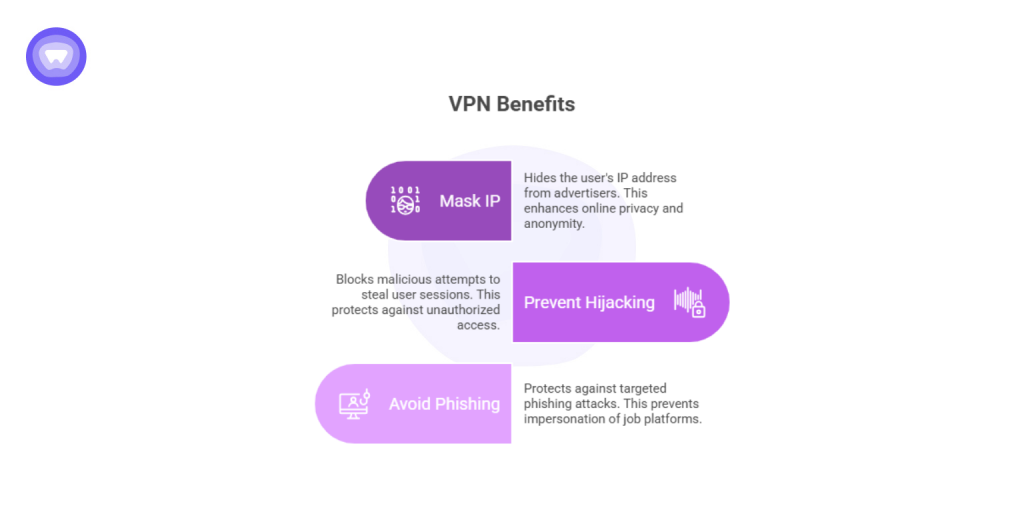
- Mask their IP from ad networks
- Prevent session hijacking from fake job portals
- Avoid targeted phishing that mimics job platforms
And for white-label VPN resellers, this is a real narrative you can use in your content.
What to Do If You’re Contacted by Boardsi?
If you’re approached by Boardsi or a similar platform, follow this checklist:
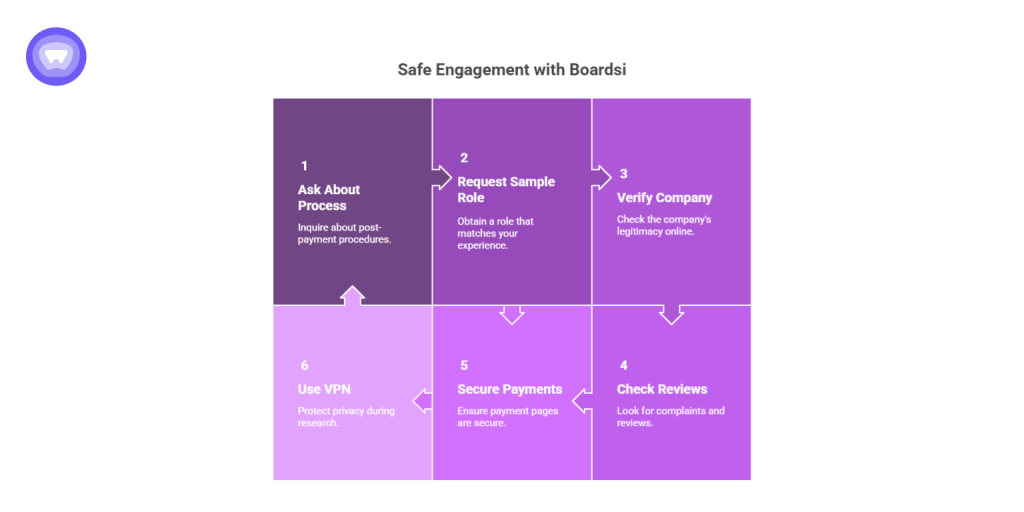
- Ask: What’s the process after I pay?
- Request a sample role—one that fits your background
- Google the company they mention. Is it real?
- Check Boardsi reviews complaints online
- Never pay through unsecured pages or open links
- Use a VPN if you’re doing deep research to avoid retargeting scripts
You’re not paranoid. You’re just being responsible.
How to Evaluate Board Placement Services
To avoid falling for misleading platforms, here’s a simple guide to evaluating any board-placement service:
- Who pays whom? Legitimate firms are typically paid by hiring companies.
- Placement transparency: Ask for verifiable past placements or references.
- Clear pricing upfront: Avoid services that hide fees until after initial contact.
- Check external reviews: Don’t rely solely on company testimonials.
Trust your instincts: If something feels too good to be true, it probably is.
Closing Thoughts
The Boardsi scam debate isn’t going away. There’s no denying the platform exists. And maybe some users do land meaningful roles. But for every happy customer, there are several who regret paying.
Transparency matters. Clarity matters. And when platforms don’t provide either, they lose trust—even if their model isn’t technically fraudulent.
If you’re a user, stay cautious. If you’re a white-label VPN brand, use stories like this to help people understand the value of privacy tools—not just for data protection, but for decision protection too.
Want to help people browse smarter and safer?
Launch your own VPN brand with PureWL and build a business around protecting everyday professionals from scams, frauds, and digital traps.