

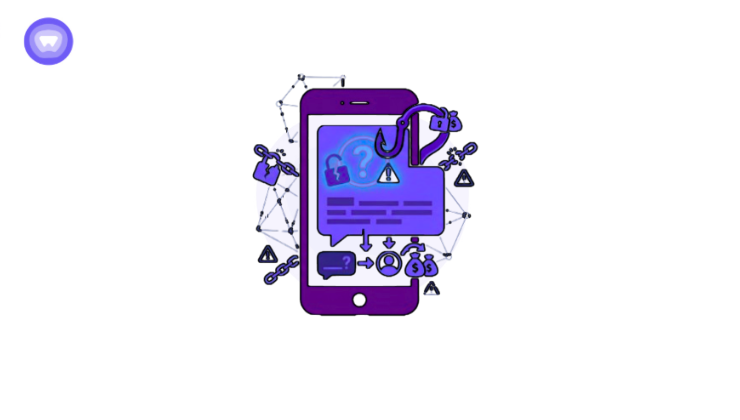
- DPD Scam Texts: Phishing messages impersonate the courier DPD to steal personal, financial, or login information.
- Exploiting Online Behavior: Attackers use expected deliveries, urgency, and small payment requests to trick recipients.
- Fake Websites: Links in scam texts lead to sites designed to capture sensitive data like credit cards and account credentials.
- Warning Signs: Suspicious URLs, unexpected payment requests, vague details, and urgent messages indicate scams.
- Prevention Steps: Verify deliveries on official sites, never click unknown links, and report phishing texts to authorities.
A text appears on your phone: “Your DPD parcel could not be delivered. Confirm your address here.” The link looks legitimate and arrives when deliveries are expected. One tap later, personal or payment details may be stolen. This is a delivery scam text.
This tactic works because parcel notifications feel normal. Many people are waiting for packages, which lowers suspicion. The DPD scam text uses fake delivery alerts to collect financial data, login credentials, and personal information through convincing phishing messages. Understanding how it works helps prevent falling for it.
What Is a DPD Scam Text?
A DPD scam text is a phishing message that pretends to come from the courier company DPD Group. The message claims there is a problem with a delivery and instructs the recipient to click a link.
Common claims include:
- A package could not be delivered
- Address confirmation is required
- A small redelivery fee must be paid
- Customs charges must be settled
- Delivery scheduling is needed
The message includes a URL leading to a fake website designed to resemble the courier’s official tracking page.
Once victims enter information such as:
- Name and address
- Credit card details
- Phone number
- Email credentials
The data is captured by the attackers. The result is identity theft, unauthorized payments, or compromised online accounts.
Why Delivery Scams Are So Effective
Delivery scams succeed because they exploit everyday behavior.
Online shopping volumes remain extremely high, and millions of packages move through logistics networks daily. This creates an environment where a delivery message rarely feels suspicious.
Attackers rely on three psychological triggers:
Expectation
Many people wait for packages from online stores. A delivery alert feels normal.
Urgency
Messages often warn that a parcel will be returned unless action is taken quickly.
Small payment requests
A fee of $1 to $3 appears harmless, making victims more likely to comply.
According to the Federal Trade Commission, consumers reported losing over $10 billion to fraud in 2023, with phishing scams representing a large portion of those cases.
Delivery scams contribute significantly to that category.
What a Typical DPD Scam Text Looks Like
Most fake courier messages follow a predictable format. The wording is designed to imitate legitimate tracking alerts.
Examples include:
Example 1
“DPD: Your parcel is waiting for delivery. Confirm your address here: dpd-delivery-update.com”
Example 2
“DPD notification: Your parcel could not be delivered. Pay $1.79 redelivery fee to receive your package.”
Example 3
“DPD delivery issue. Please reschedule your parcel within 24 hours.”
Common signs of a scam message:
- Suspicious website domains
- Requests for payment via link
- Urgent deadlines
- Generic greetings
- Slightly altered brand names in URLs
Legitimate courier services rarely ask for payments through random text links.
The Real Scale of SMS Phishing
SMS phishing, often called smishing, has expanded rapidly in recent years.
Several cybersecurity studies highlight the scale of the problem:
- The Federal Trade Commission reported $2.7 billion lost to imposter scams in 2023, many involving text messages.
- Over 60 percent of organizations experienced SMS phishing attempts in 2024.
- Research from Statista shows phishing remains one of the most common cybercrime tactics worldwide.
Delivery brands frequently appear in scam campaigns because they carry instant credibility.
How the DPD Scam Actually Works
Behind the simple message lies a structured fraud operation.
1. Mass SMS Distribution
Attackers use bulk messaging tools or compromised phone lists to send thousands of texts simultaneously.
Targets are random. Criminals only need a small percentage of people to respond.
2. Fake Delivery Website
The link leads to a convincing imitation of a courier tracking page.
Typical elements include:
- Parcel tracking numbers
- Brand logos
- Delivery status updates
- Payment request forms
The site exists solely to capture sensitive information.
3. Payment and Data Collection
Victims are asked to provide:
- Card details
- Address confirmation
- Email login information
- Phone number verification
Even small payments allow attackers to collect full credit card data.
4. Secondary Fraud
Once information is collected, it can be used for:
- Card fraud
- Identity theft
- Account takeover
- resale on cybercrime marketplaces
The scam message itself is only the first step in a larger criminal pipeline.
How to Spot a Fake Delivery Message
Recognizing warning signs reduces the risk of falling for these scams.
Key indicators include:
Suspicious URLs
Fake websites often use domains like:
- dpd-delivery-support.com
- dpd-parcel-help.net
- dpd-update-tracking.org
Official courier websites use verified domains.
Unexpected Fees
Delivery companies rarely request small payments through text messages.
Generic Messaging
Real delivery alerts usually include:
- accurate tracking numbers
- shipment details
- sender information
Scam texts are vague.
Pressure to Act Immediately
Messages may claim that parcels will be returned or destroyed if action is not taken within hours.
Urgency is a classic social engineering tactic.
What Happens If Someone Clicks the Link
Clicking the link does not always lead to immediate theft. However, it creates multiple risks.
Possible outcomes include:
Credential harvesting
Login details entered into fake forms are captured instantly.
Card data theft
Payment pages store card numbers and security codes.
Malware installation
Some links trigger downloads that install spyware on mobile devices.
Future scam targeting
Phone numbers that respond to phishing campaigns are added to lists for future attacks.
These consequences often unfold days or weeks after the initial message.
Steps to Take If You Receive a DPD Scam Text
Anyone who receives a suspicious delivery message should take several precautions.
Do not click the link
Ignore the URL entirely.
Verify through official channels
Open the courier website manually and check tracking numbers there.
Delete the message
Removing the message reduces the chance of accidental clicks later.
Report the scam
In the United States, scam texts can be reported to the Federal Trade Commission or the Federal Communications Commission.
Reporting helps authorities track ongoing fraud campaigns.
If You Already Clicked the Link
Quick action reduces damage.
Recommended steps include:
- Contact your bank immediately if payment details were entered
- Cancel or freeze affected cards
- Change passwords for related accounts
- Enable multi factor authentication where possible
- Monitor financial statements for unusual transactions
Many phishing victims recover quickly if fraud is reported early.
Delivery Scams Compared to Other SMS Phishing Attacks
Delivery scams remain among the most successful because they align with everyday online behavior.
| Scam Type | Message Theme | Main Goal | Example Claim |
| Delivery scam | Parcel issue | Collect payment or personal info | “Package delivery failed” |
| Banking scam | Security alert | Capture banking credentials | “Suspicious activity detected” |
| Government scam | Tax refund | Identity theft | “You are eligible for a refund” |
| Prize scam | Lottery winnings | Advance fee fraud | “You won a prize” |
| Subscription scam | Payment update | Capture card details | “Renew your account now” |
Why Mobile Devices Increase Phishing Risk
Smartphones make phishing more effective for several reasons.
Smaller screens
Users often cannot view full URLs clearly.
Instant notifications
Messages feel urgent and demand immediate attention.
Mobile browsing habits
People tend to trust links received via SMS more than email links.
Security researchers at Proofpoint Inc. report that many employees interact with phishing messages on mobile devices outside traditional security monitoring environments.
This shift has made SMS scams more attractive to attackers.
The Growing Role of Network Protection
Stopping phishing requires more than recognizing suspicious messages. Attackers constantly evolve tactics, create new domains, and automate scam distribution.
Network level protection adds another defensive layer.
Secure network routing can help reduce exposure to malicious domains and suspicious infrastructure that phishing campaigns rely on.
Organizations that handle sensitive information increasingly deploy secure network solutions to reduce risks from untrusted connections.
How PureWL Supports Safer Online Operations
For companies building digital services, protecting users from malicious network activity has become an important priority. Secure connectivity plays a role in limiting exposure to harmful domains, phishing infrastructure, and unsafe traffic routes.
The PureWL white label VPN platform enables businesses to integrate secure network access directly into their own applications and services. By routing traffic through encrypted infrastructure, companies can help users maintain safer connections when browsing or accessing online platforms.
This approach strengthens privacy and network protection while allowing organizations to deliver secure connectivity under their own brand.
Final Thoughts
Phishing tactics change constantly, but the structure remains familiar. Fraudsters rely on speed, scale, and psychological pressure.
Delivery scam texts demonstrate how easily everyday situations can be turned into attack vectors. A simple message about a parcel can lead to stolen financial information or compromised accounts.
Awareness remains the strongest defense. Understanding how these scams operate makes suspicious messages easier to recognize. Combined with stronger network protection and cautious browsing habits, users can significantly reduce the risk of falling into these traps.
Scammers depend on quick reactions. Taking a moment to verify a message often makes the difference between a harmless notification and a costly mistake.