

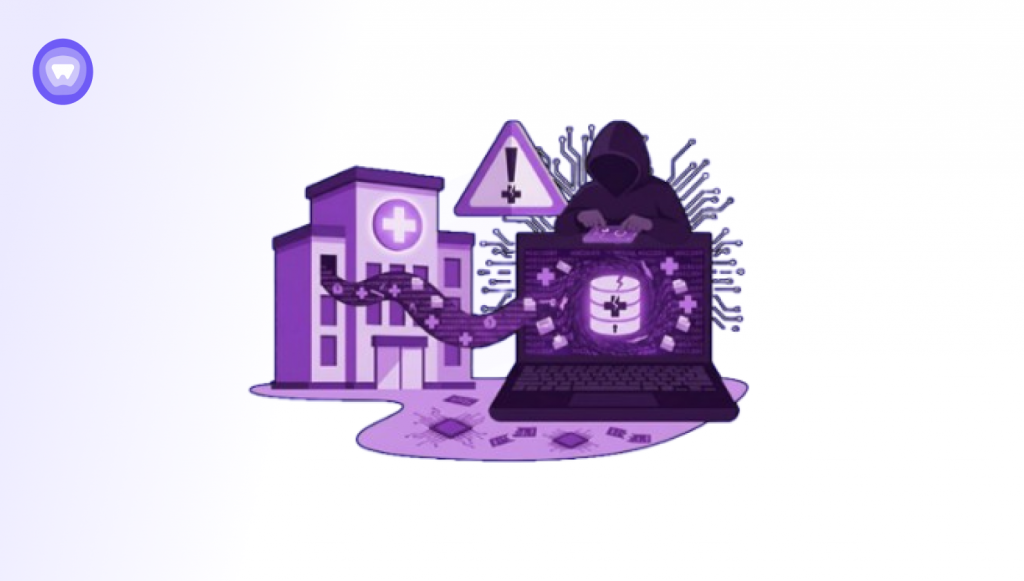
- The Norton Healthcare data breach occurred in May 2023 after ransomware attackers gained unauthorized access to internal systems and later leaked stolen data online.
- The incident potentially affected about 2.48 million patients and employees, exposing sensitive information such as Social Security numbers, medical records, and financial details.
- Lawsuits filed after the breach led to an $11 million Norton data incident settlement, offering compensation, identity monitoring services, and reimbursements for documented losses.
- Healthcare organizations remain prime cyberattack targets because they store highly valuable personal and medical data and rely on complex digital infrastructure.
- The breach highlights the importance of strong cybersecurity practices, including secure network access and encrypted connectivity to protect sensitive data from unauthorized access.
A ransomware gang quietly accessed internal systems at a major U.S. healthcare network in May 2023. Within days, sensitive records tied to patients and employees appeared online. The incident triggered lawsuits, public scrutiny, and eventually a multimillion-dollar settlement.
The Norton Healthcare data breach has since become another case study in how cyber incidents affect hospitals, patients, and the broader healthcare ecosystem. In early 2026, the organization agreed to resolve litigation through an $11 million settlement, ending a class action lawsuit tied to the incident.
This article examines what happened, what data was exposed, the details of the Norton data incident settlement, and what the breach reveals about growing cybersecurity risks in healthcare.
What Is Norton Healthcare?
Norton Healthcare is a major healthcare provider based in Louisville, Kentucky. The organization operates hospitals, medical facilities, and specialized healthcare programs across the region.
Healthcare organizations like Norton store large volumes of sensitive data including:
- Medical histories and diagnoses
- Insurance details
- Social Security numbers
- Payment and financial information
- Personal identity records
Because of this data concentration, healthcare systems have become prime targets for cybercriminals seeking valuable personal and financial information.
Timeline of the Norton Healthcare Data Breach
The Norton Healthcare data breach traces back to early May 2023 when suspicious activity was detected within the company’s network infrastructure.
- The attack was discovered May 9, 2023 after Norton’s IT team identified suspicious activity on servers.
- Investigations later determined unauthorized access occurred between May 7 and May 9, 2023.
- The breach was linked to a ransomware attack that targeted network storage devices.
A ransomware group known as BlackCat claimed responsibility for the intrusion and reportedly leaked stolen data online as proof of the attack.
While Norton Healthcare initially stated that patient data might not have been accessed, subsequent investigations and legal claims suggested that sensitive information could have been exposed.
How Many People Were Affected
The scale of the breach quickly became a major concern.
Court documents connected to the lawsuit estimate that the incident potentially impacted about 2,487,683 individuals, including patients and employees.
These individuals received breach notifications informing them that their personal information may have been compromised.
Healthcare breaches of this scale are not uncommon. Large medical networks maintain decades of historical records, which significantly increases the number of people affected when systems are compromised.
What Information Was Exposed
According to the lawsuit and breach reports, the compromised data may have included several categories of sensitive personal information.
Potentially exposed data included:
- Full names
- Home addresses
- Dates of birth
- Social Security numbers
- Driver’s license or state ID numbers
- Medical history and diagnoses
- Insurance policy details
- Banking or credit card information
- Employer details and contact information
This type of data is especially valuable to attackers because it can enable identity theft, financial fraud, and medical identity fraud.
Medical identity theft can be particularly damaging because fraudulent medical claims may remain undetected for months or years.
The Lawsuit and Legal Claims
Following the breach, multiple lawsuits were filed against Norton Healthcare. The lawsuits alleged that the healthcare provider failed to implement adequate security measures to protect patient and employee data. Plaintiffs argued that:
- Sensitive data was not sufficiently protected
- Security monitoring and safeguards were inadequate
- Affected individuals faced long-term risks of identity theft
A consolidated class action lawsuit was later filed in Kentucky state court.
The case, Berthold et al. v. Norton Healthcare, became the basis for the eventual settlement agreement.
Key Details of the $11 Million Settlement
In 2026, Norton Healthcare agreed to resolve the litigation through an $11 million settlement fund.
The agreement received preliminary approval from the Jefferson County Circuit Court and covers individuals whose information may have been exposed during the incident.
The settlement includes several types of compensation and support for affected individuals.
| Settlement Benefit | Details |
| Total settlement fund | $11 million |
| Eligibility | Individuals notified that their data may have been exposed |
| Out-of-pocket expense reimbursement | Up to $2,500 for documented losses |
| Lost time compensation | Up to $80 for time spent dealing with the breach |
| Medical monitoring | Three years of medical identity monitoring services |
| Cash payment | Minimum payment of $5 depending on claims volume |
| Claim deadline | May 18, 2026 |
| Final approval hearing | May 15, 2026 |
- Claimants can recover up to $2,500 for documented losses related to the breach.
- Individuals may receive compensation for time spent addressing fraud risks, calculated at $20 per hour for up to four hours.
- All eligible class members may request three years of medical identity monitoring services.
Actual cash payments depend on how many people file claims.
Why Healthcare Organizations Are Frequent Targets
Healthcare organizations have become one of the most frequently targeted sectors for cyberattacks. Several factors contribute to this trend:
1. High value data
Medical records contain identity data, insurance information, and financial records that can be sold or exploited.
2. Complex infrastructure
Hospitals operate large networks of medical devices, legacy systems, and third-party software.
3. Operational pressure
Healthcare providers must maintain constant system availability, making them more vulnerable to ransomware pressure.
Industry data highlights the scale of the problem:
- The average global cost of a data breach reached $4.88 million in 2024, according to IBM’s Cost of a Data Breach Report.
- Healthcare breaches remain the most expensive incidents across industries due to regulatory, operational, and recovery costs.
Hospitals must manage both patient safety and cybersecurity, making the stakes significantly higher than in many other industries.
Lessons From the Norton Healthcare Data Breach
Several important lessons emerge from the Norton Healthcare data breach.
1. Ransomware attacks continue to evolve
Groups such as BlackCat use data theft combined with extortion tactics to pressure organizations.
2. Breaches can impact millions of individuals
Large healthcare systems store decades of records, increasing the scale of incidents.
3. Litigation often follows major breaches
Class action lawsuits have become common after cybersecurity incidents involving personal data.
4. Breach response costs extend far beyond ransom
Organizations must fund investigations, notifications, monitoring services, legal defense, and settlements.
The Norton data incident settlement illustrates how a breach can lead to years of legal and financial consequences.
Strengthening Network Security After Large Breaches
Healthcare organizations and digital platforms increasingly rely on distributed systems, remote access, and third-party services.
This creates a broader attack surface that must be carefully secured.
Effective cybersecurity strategies often include:
- Network segmentation
- Encrypted communications
- Access control policies
- Continuous monitoring
- Secure remote connectivity for distributed teams
These measures help reduce the risk of unauthorized access and data exfiltration.
The Role of Secure Network Infrastructure
Organizations that operate distributed teams, digital platforms, or remote systems must ensure that internal resources remain protected from unauthorized access.
Secure network infrastructure plays an important role in limiting exposure to cyber threats. Private connectivity solutions help protect data in transit, reduce attack surfaces, and maintain controlled access to internal systems.
Solutions such as PureWL White Label VPN allow companies to deploy their own branded secure network environment for users, employees, or customers. This approach can support encrypted communication, controlled access, and centralized security management across distributed environments.
For organizations that manage sensitive data or operate digital services, secure connectivity becomes an important part of a broader cybersecurity strategy.
Final Thoughts
The Norton Healthcare data breach highlights the growing cybersecurity risks facing the healthcare sector. A ransomware attack lasting only a few days exposed millions of individuals to potential identity theft and triggered years of legal and financial consequences.
The resulting $11 million settlement demonstrates the long-term impact that a single cyber incident can have on an organization. Beyond financial penalties, breaches can damage trust, disrupt operations, and expose sensitive medical information.
As healthcare systems and digital organizations continue to expand their networks and services, protecting sensitive data must remain a priority. Cybersecurity incidents are no longer isolated technical problems. They are business risks with legal, financial, and reputational consequences that can last for years.